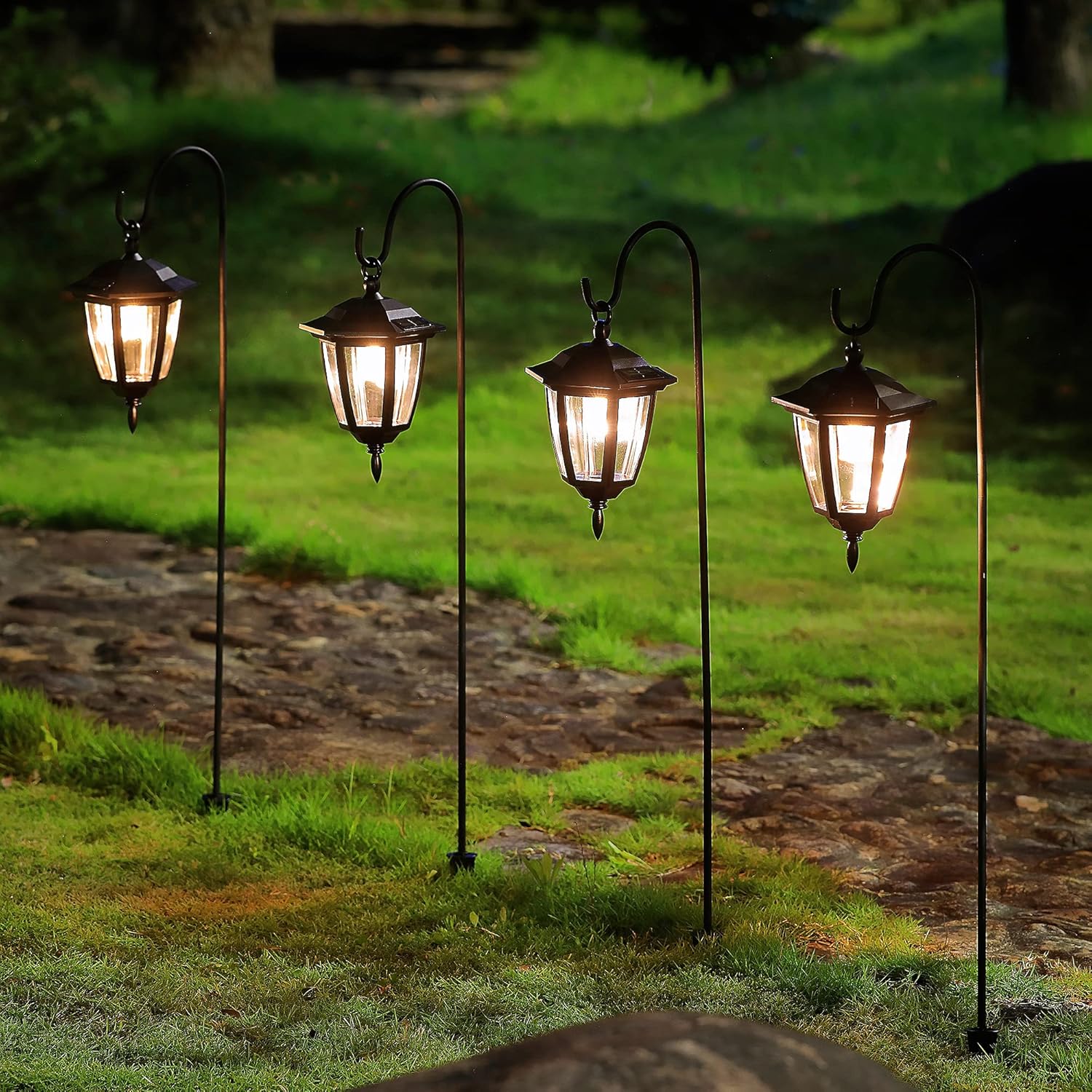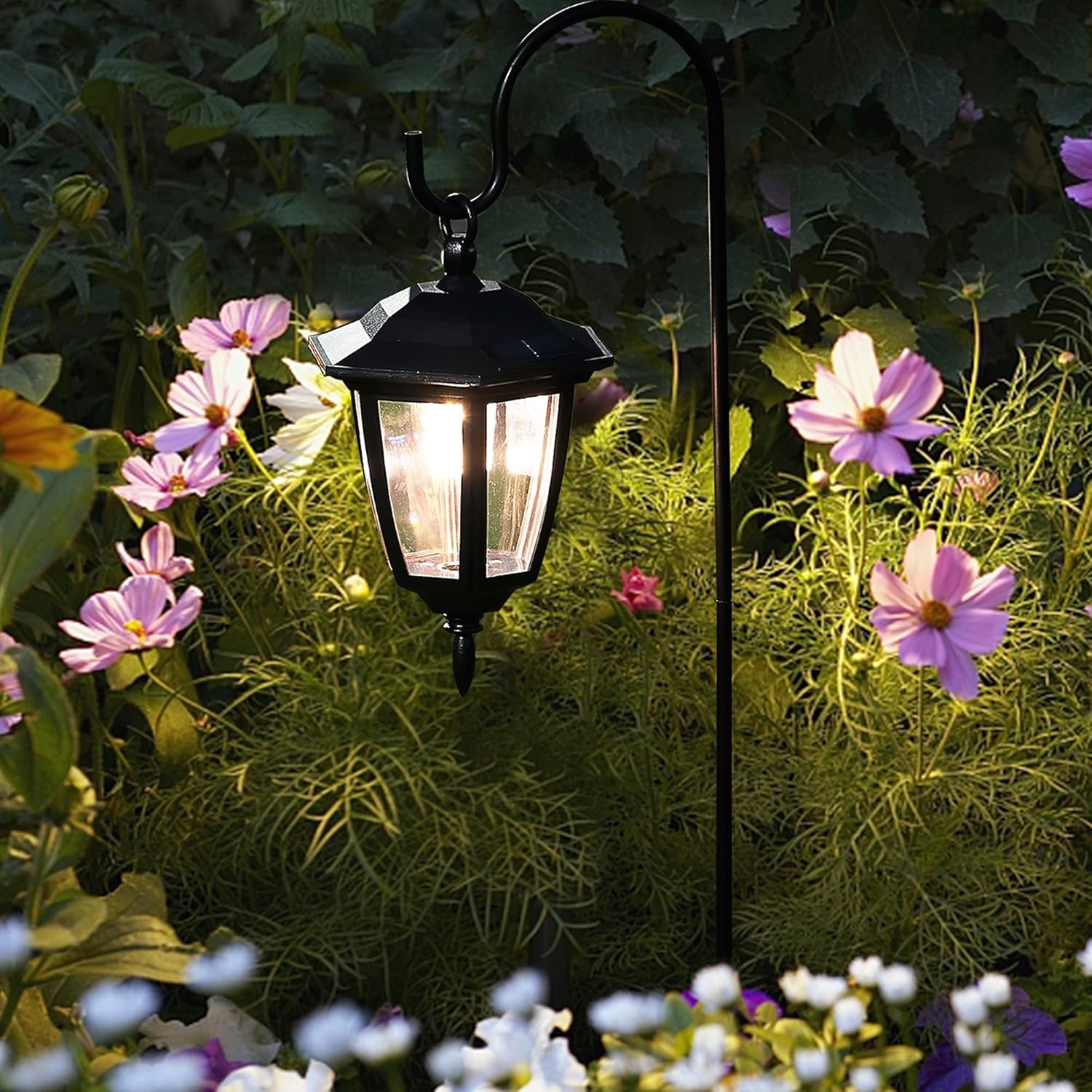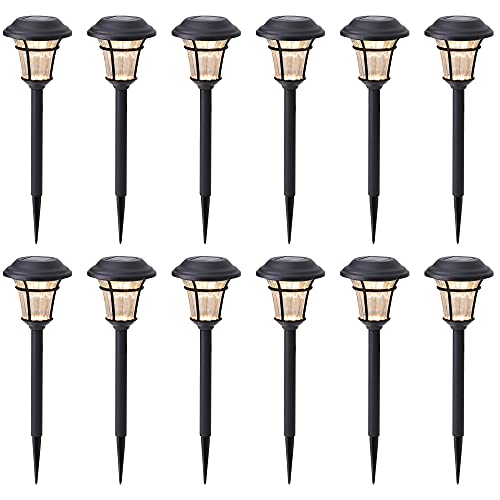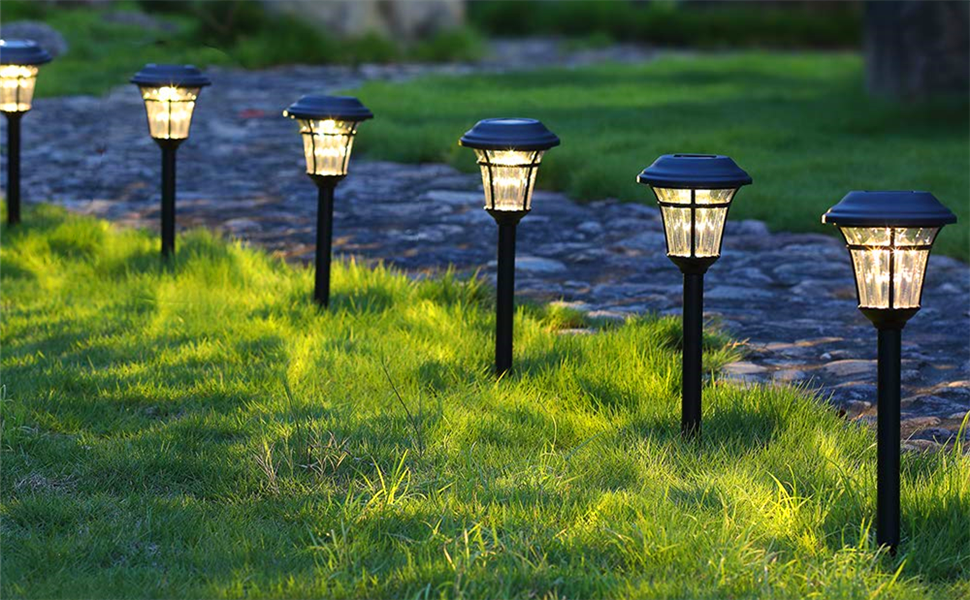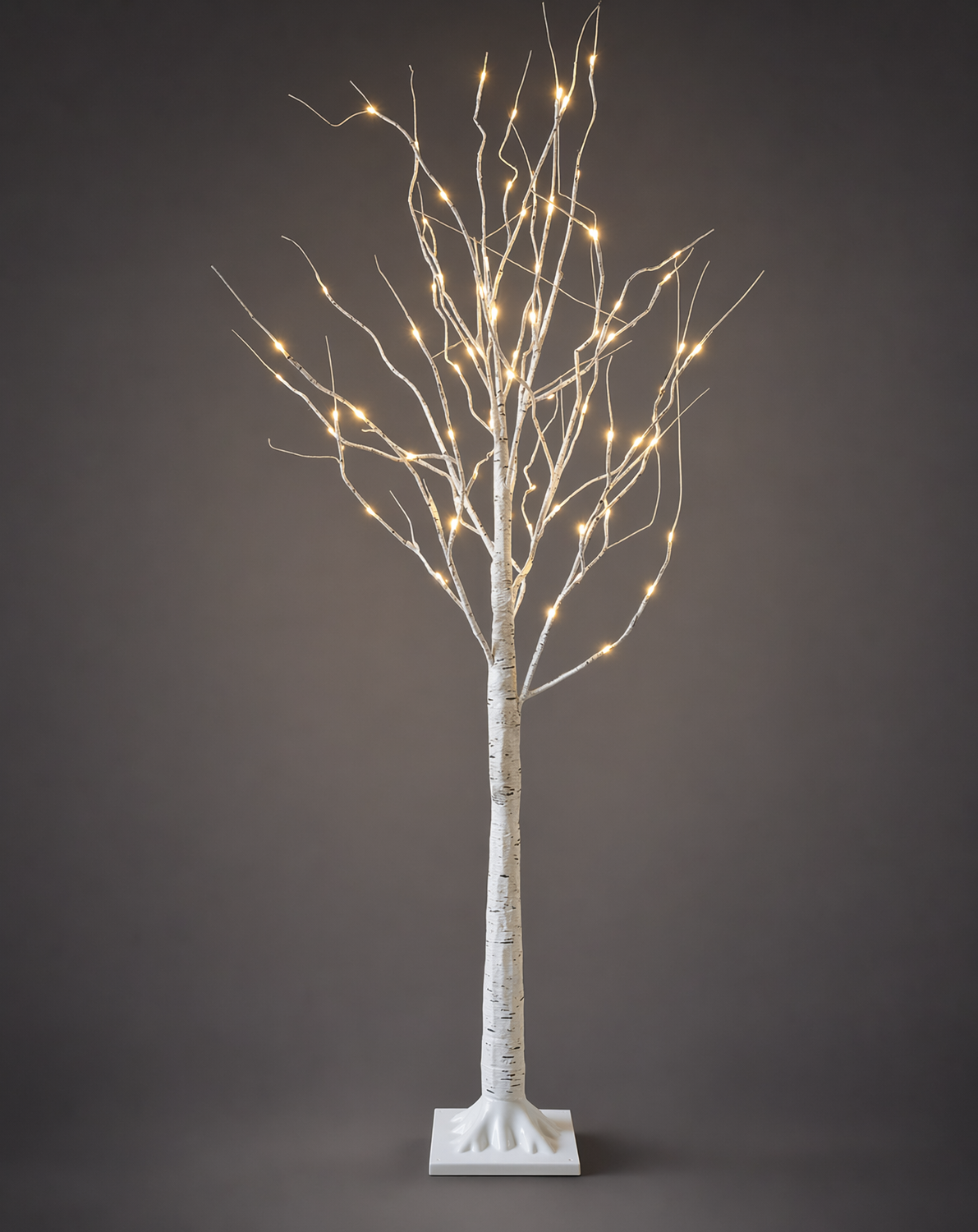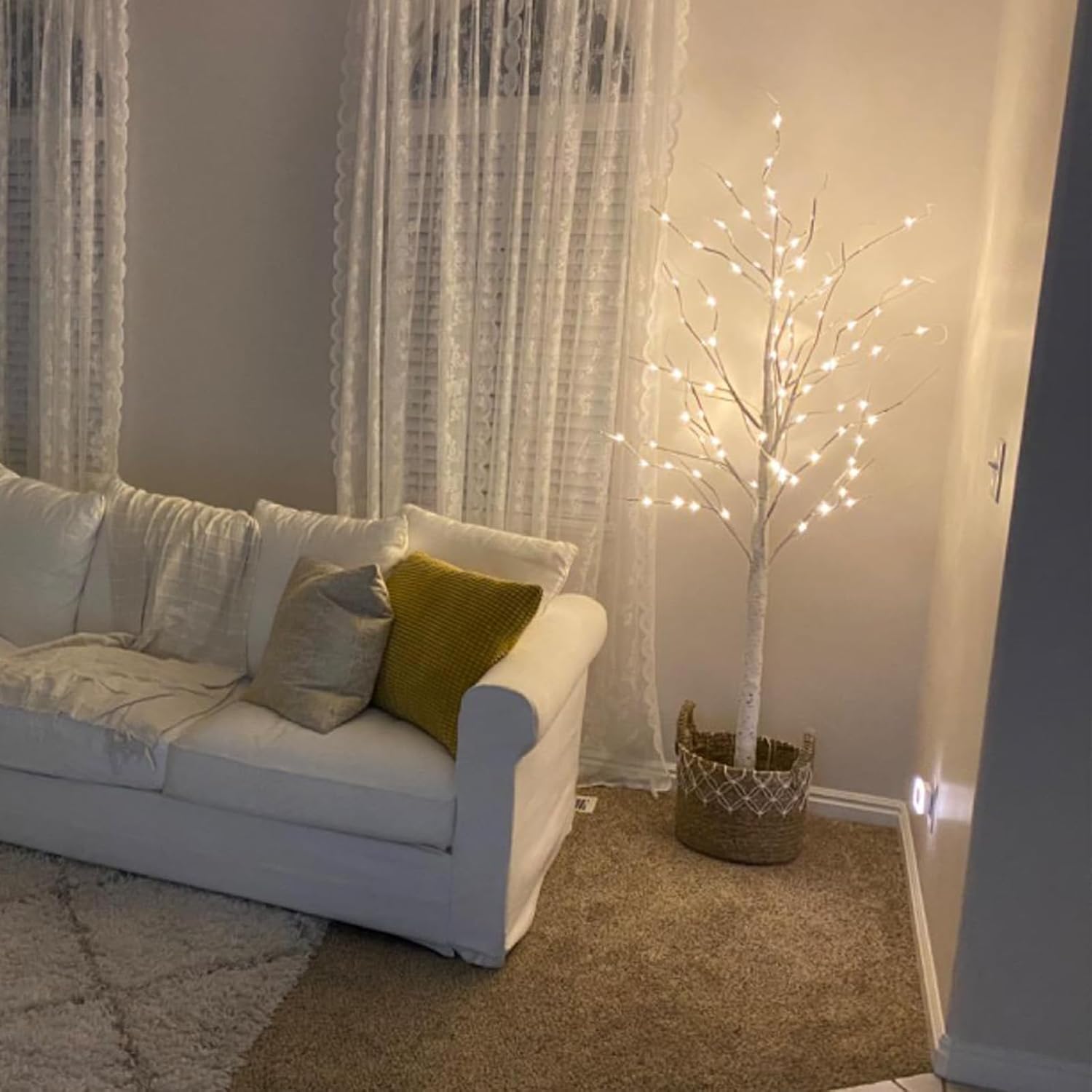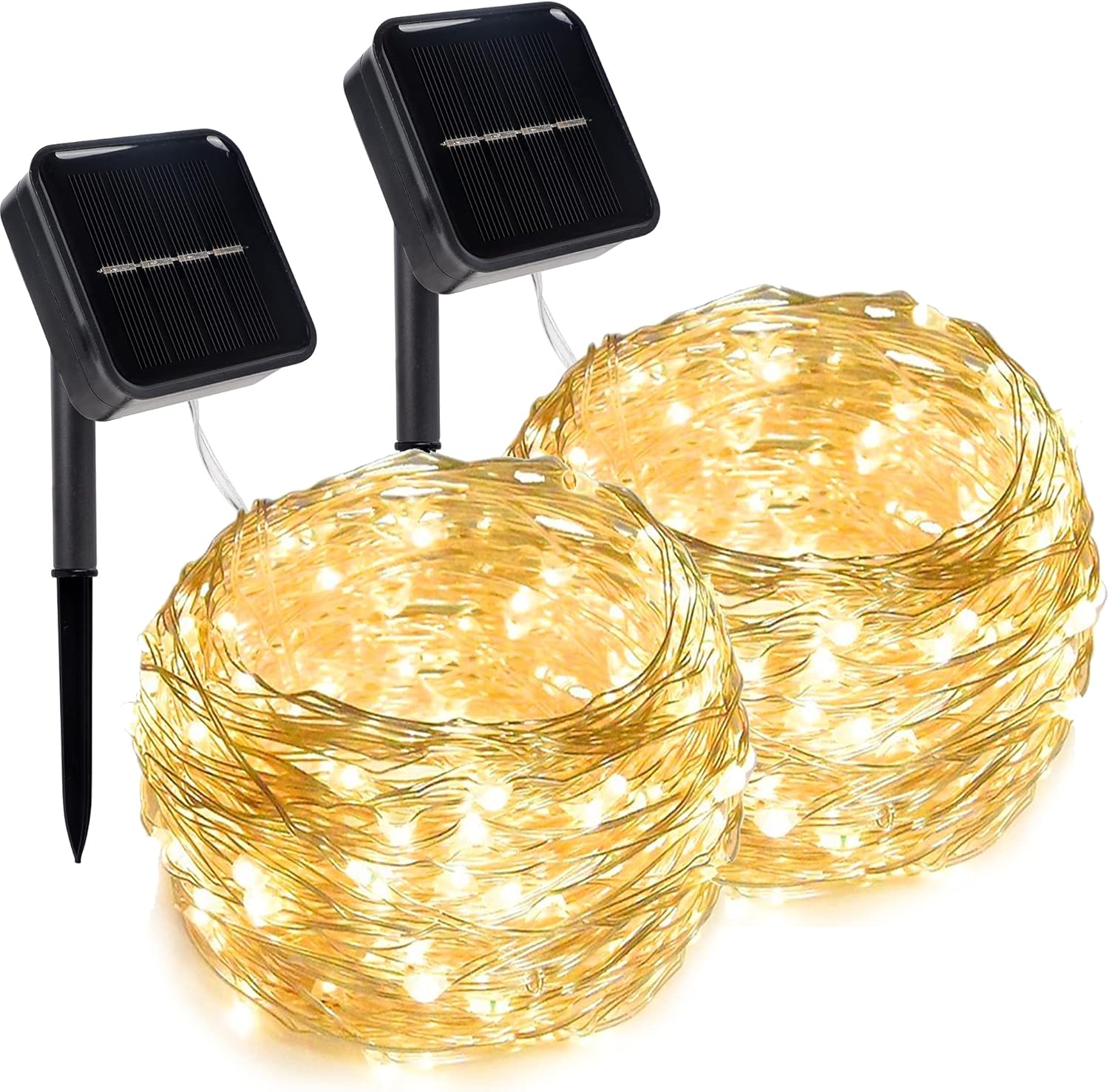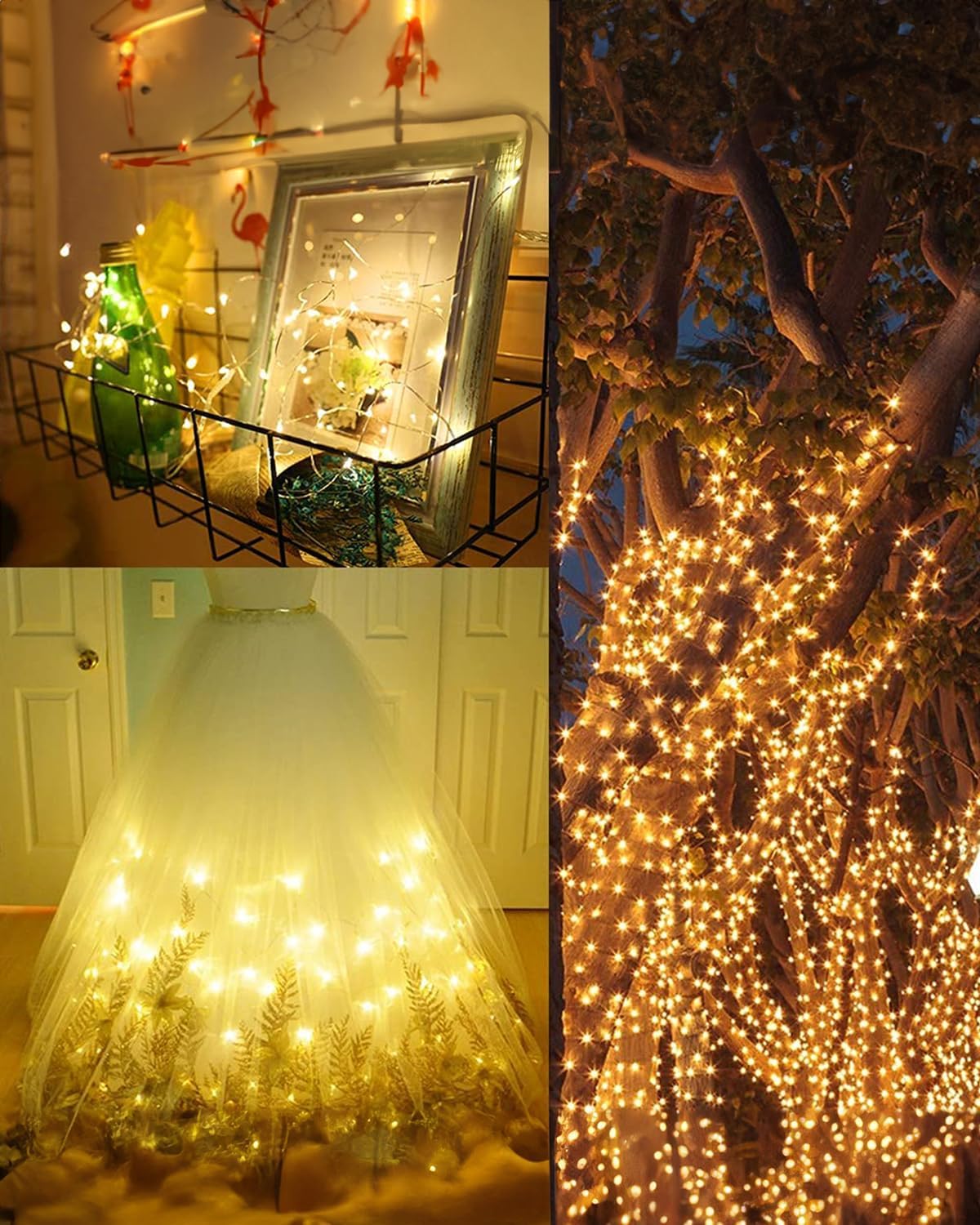
Brighten your yard with solar-powered outdoor lighting: solar pathway lights, hanging solar lanterns with shepherd hooks, and lighted decorative trees. No wiring needed — dusk-to-dawn automatic operation, weatherproof for patio, garden, walkway and driveway.
How to choose outdoor solar lighting
Start with how much sun the spot gets
Solar fixtures need direct sunlight, not ambient daylight — six to eight hours is the usual target for a full charge. Watch where shadows fall at midday before you commit to a position. A light tucked against a north-facing fence or under a low branch will never charge properly no matter how good the panel is, and shade that wasn't there in April often appears by August.
Panel size and battery capacity
These two numbers decide how long a light runs after dark. A monocrystalline panel converts roughly 19% more energy than an equivalent polycrystalline one, and an 800mAh cell will typically hold 8–10 hours of light against 6 hours from a 600mAh cell. Look for a replaceable standard-size battery rather than a sealed pack — it's the difference between a fixture that lasts two seasons and one that lasts six.
Ground-level or elevated
Pathway stakes sit low and are easy to reposition, but their panels collect splashed mud and sit in the shade of anything that grows. Hanging lanterns on shepherd hooks lift the panel clear of both, which is a meaningful advantage in a planted bed.
Spacing
For a walkway, six to eight feet between fixtures gives continuous light without a runway effect. Stagger them side to side rather than lining them up if the path curves.
Frequently asked questions
Do solar lights work in winter?
Yes, but expect shorter runtimes. Battery capacity drops in the cold and there's less daylight to work with, so a light that ran all night in July may give you a few hours in December. Clean panels and fresh batteries make a real difference at the margins.
My new solar light won't come on at all.
Check for the plastic pull tab between the battery and the contact, and find the ON/OFF switch — it's often under the lid or behind a rubber flap. Those two account for most brand-new failures. Give it a full sunny day before judging it.
How long do the batteries last?
One to three years for most rechargeable cells. The classic symptom of a tired battery is a light that comes on at dusk, runs bright for twenty minutes and then fades.
Do they need cleaning?
Twice a year. Pollen, dust and hard-water spots build up so gradually you never notice the lights dimming. Wipe the panel with warm soapy water in spring and again in early autumn.
Guides worth reading first
- Solar lights not working? 8 fixes to try before you replace them
- Solar vs. low-voltage landscape lighting: which is right for your yard?
- Do solar lights work in winter? What to expect as the days get shorter
If a corner of your yard doesn't get enough sun for solar, plug-in and battery options in the string lights and fairy lights collection will light it instead.